Why Professional Pressure Washing Can Be More Effective
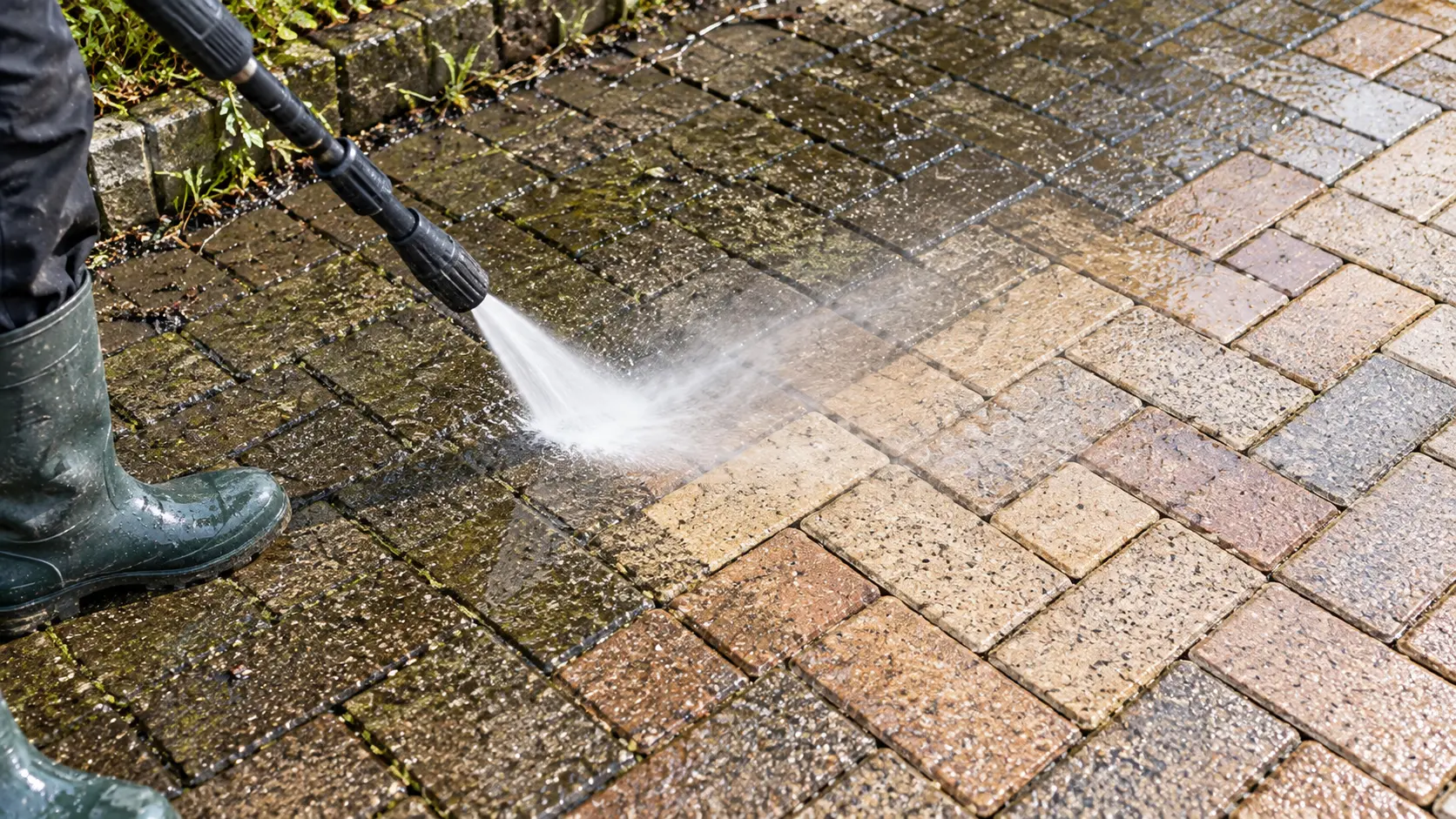
Professional pressure washing can be more effective because trained operators combine appropriate equipment with knowledge of different exterior surfaces. Rather than using one pressure setting everywhere, they can adjust the machine according to paving, concrete, brickwork, timber or other materials.
Commercial-grade equipment can also provide more consistent water flow across larger areas. Suitable detergents or pre-treatments may be used where dirt, algae or staining requires additional attention. Professional cleaners can recognise damaged joints, loose paving and vulnerable surfaces before beginning work. This helps reduce the risk of making existing problems worse. Experience also improves cleaning technique.
Consistent nozzle distance and movement can prevent obvious lines and uneven patches. Larger areas may be cleaned much more efficiently than with basic domestic equipment. Professional pressure washing therefore combines controlled cleaning power with suitable preparation, helping achieve a more even result while protecting the surface wherever possible.
Using the Right Pressure for Each Surface
Using the correct water pressure is one of the most important parts of professional exterior cleaning. Applying excessive pressure can damage surfaces, while pressure that is too low may leave substantial dirt behind. Concrete and some modern paving materials can normally tolerate relatively strong cleaning. Older brickwork, timber and certain natural stones can require considerably gentler treatment. The condition of the surface is just as important as the material itself. Weathered paving with loose joints may need lower pressure than a newer installation made from similar materials.
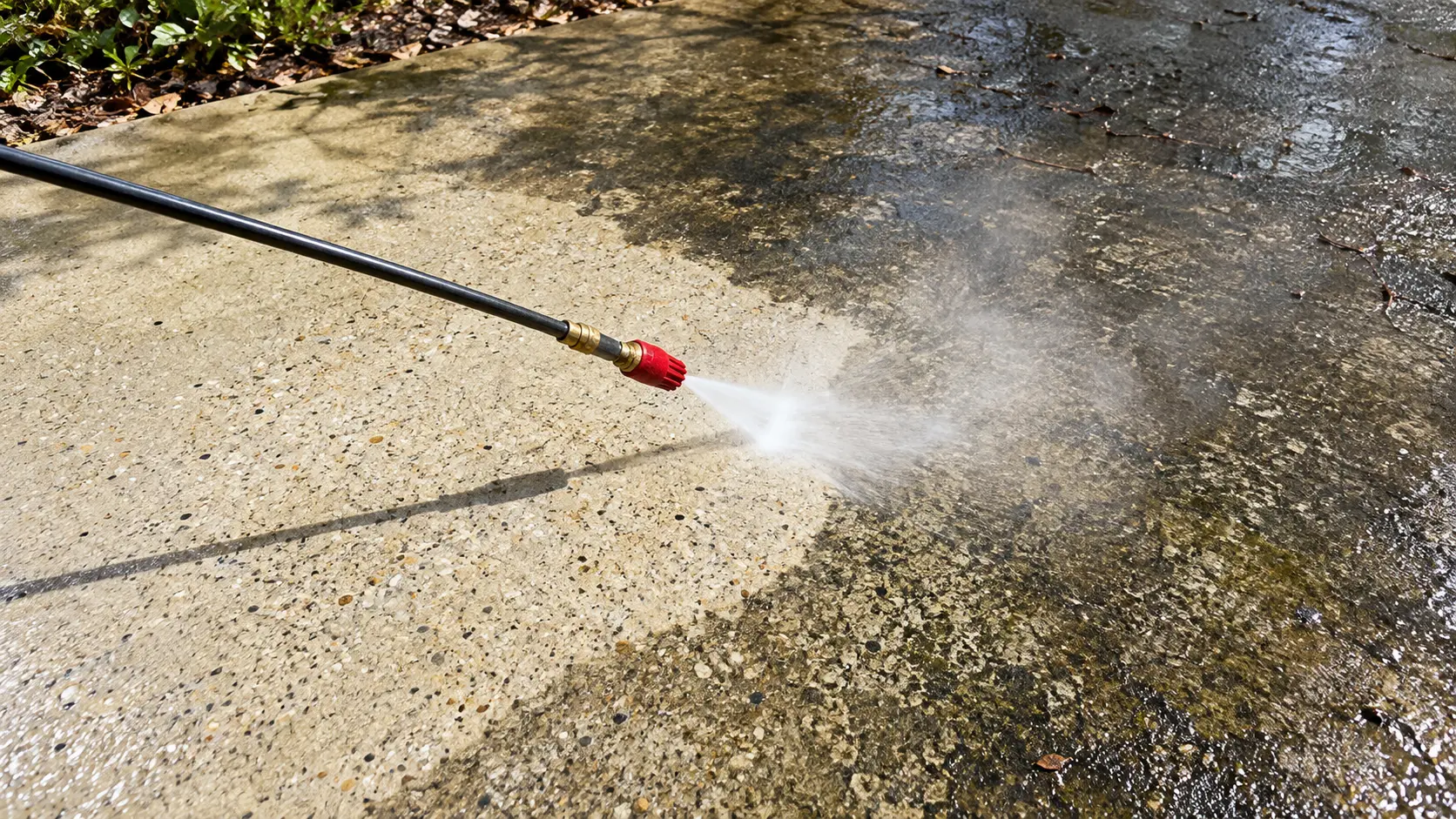
Nozzle choice and working distance also affect the force reaching the surface. A narrow jet used close to the material can be much more aggressive than a wider spray applied from farther away.
Professional operators can test a small section before cleaning the whole area. This helps identify an appropriate combination of pressure and technique. Stubborn contamination should not automatically be attacked with maximum pressure. Suitable cleaning products or repeated controlled passes may provide a safer solution.
Pressure can also be adjusted around edges, joints and damaged sections. Matching the equipment settings to each individual surface helps remove dirt effectively while reducing the risk of erosion, marking or unnecessary wear during the cleaning process.
Removing Deep-Set Dirt and Grime
Deep-set dirt and grime can be difficult to remove using an ordinary garden hose or manual brushing. Professional pressure washing equipment can provide enough controlled cleaning power to loosen established contamination from textured exterior surfaces.
Driveways and patios often collect soil, traffic residue and general dirt over several years. The surface may gradually darken until the original colour becomes difficult to see. Professional cleaners can work systematically across the area to remove this build-up. Particularly dirty sections may receive suitable pre-treatment before pressure washing begins.
The material should still be assessed first. Deeply embedded staining cannot always be removed completely, particularly from porous stone or concrete. Increasing pressure excessively is not always the right solution. A professional approach balances cleaning performance with the need to protect the surface. Once accumulated grime has been removed, the area can look considerably brighter and future maintenance may become easier.
Tackling Moss and Algae Build-Up
Moss and algae commonly build up on exterior surfaces that remain damp, shaded or exposed to limited sunlight. Paths, patios, walls and driveways can all become affected over time. Professional pressure washing can remove established surface growth more efficiently than basic manual cleaning.
The operator can first assess how heavily the area is affected. Suitable treatments may be applied where required to help loosen or manage organic contamination. Pressure can then be adjusted according to the material underneath. This is important because moss often grows between paving joints where excessive pressure can remove jointing material.
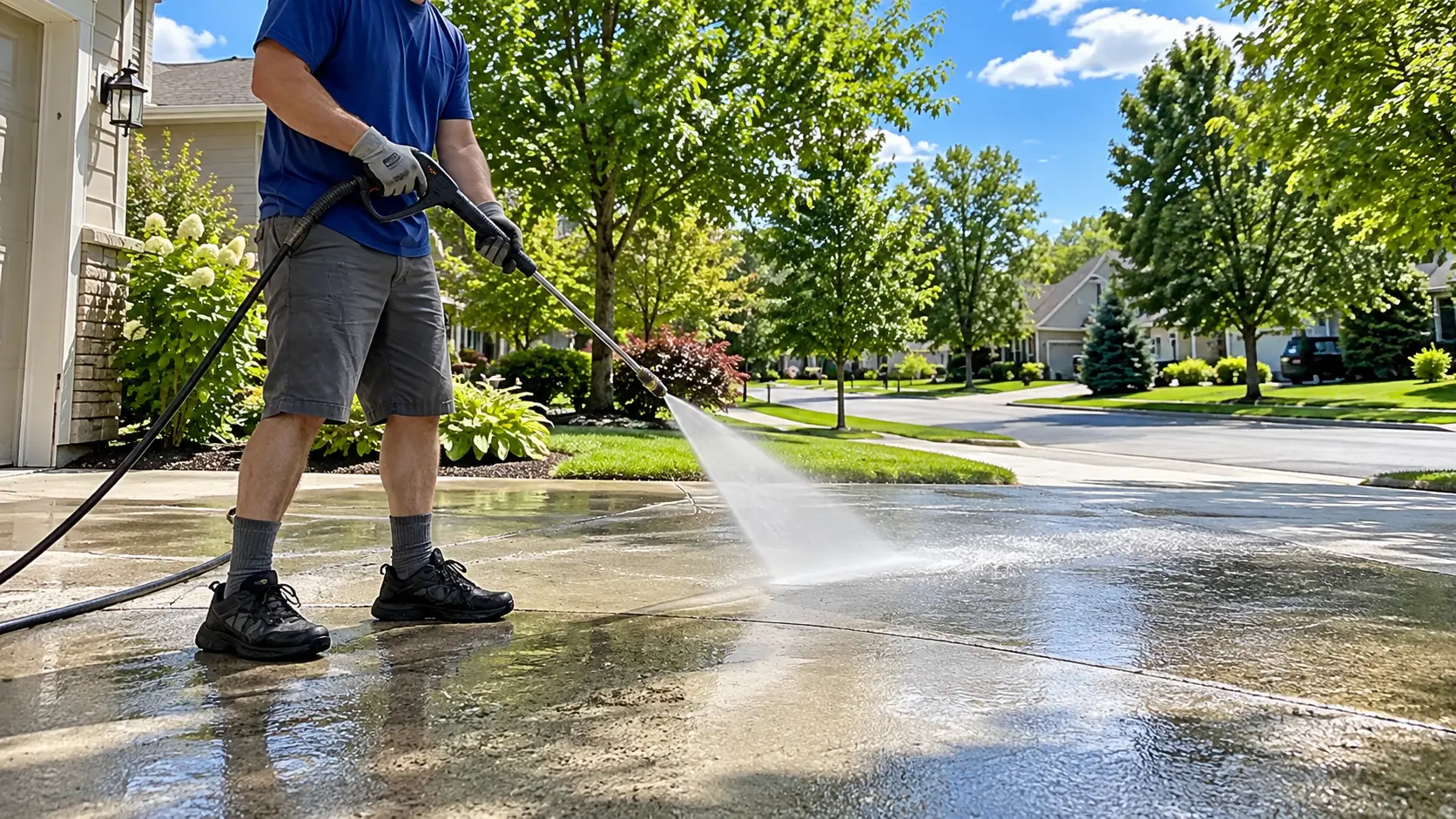
Algae can also create extensive slippery patches across hard surfaces. Removing the visible layer can improve both appearance and everyday usability. However, pressure washing cannot permanently stop moss or algae from returning. Persistent shade, poor drainage and damp conditions may continue encouraging growth.
Professional cleaners may therefore recommend routine maintenance after the main clean. Nearby plants and landscaping should also be considered if cleaning products are being used.
Careful rinsing and controlled application help protect surrounding areas. Professional equipment makes it possible to clean larger affected surfaces consistently while avoiding the temptation to use unnecessarily aggressive pressure on every section. The result can be a cleaner surface with significantly less organic build-up.
Cleaning Stubborn Outdoor Stains
Outdoor stains can come from vehicles, leaves, soil, rust, garden furniture and many other sources. Some marks respond well to pressure washing, while others require additional treatment. Professional cleaners can identify the likely type of contamination before selecting a method.
Oil, for example, can penetrate porous paving and may not disappear completely through water pressure alone. A suitable cleaning product may be needed. Older stains can also become harder to remove because they have had more time to soak into the material.
The surface itself must be considered. Aggressive treatment can sometimes cause more visible damage than the original stain. Professional operators can test an inconspicuous area where necessary and adjust their approach. They should also explain when complete stain removal may not be realistic.
Combining suitable products with controlled pressure often provides better results than repeatedly concentrating a high-pressure jet on one area. This approach helps clean stubborn marks while protecting the surrounding surface.
Improving the Appearance of Driveways
Professional pressure washing can significantly improve the appearance of driveways that have become covered with grime, algae, tyre marks and general outdoor contamination. These areas receive constant exposure to vehicles, rain, soil and everyday foot traffic.
Over time, paving can gradually become darker and lose much of its original appearance. Professional equipment allows the driveway to be cleaned in a consistent pattern. This can help avoid the obvious stripes sometimes created by inexperienced pressure washing.
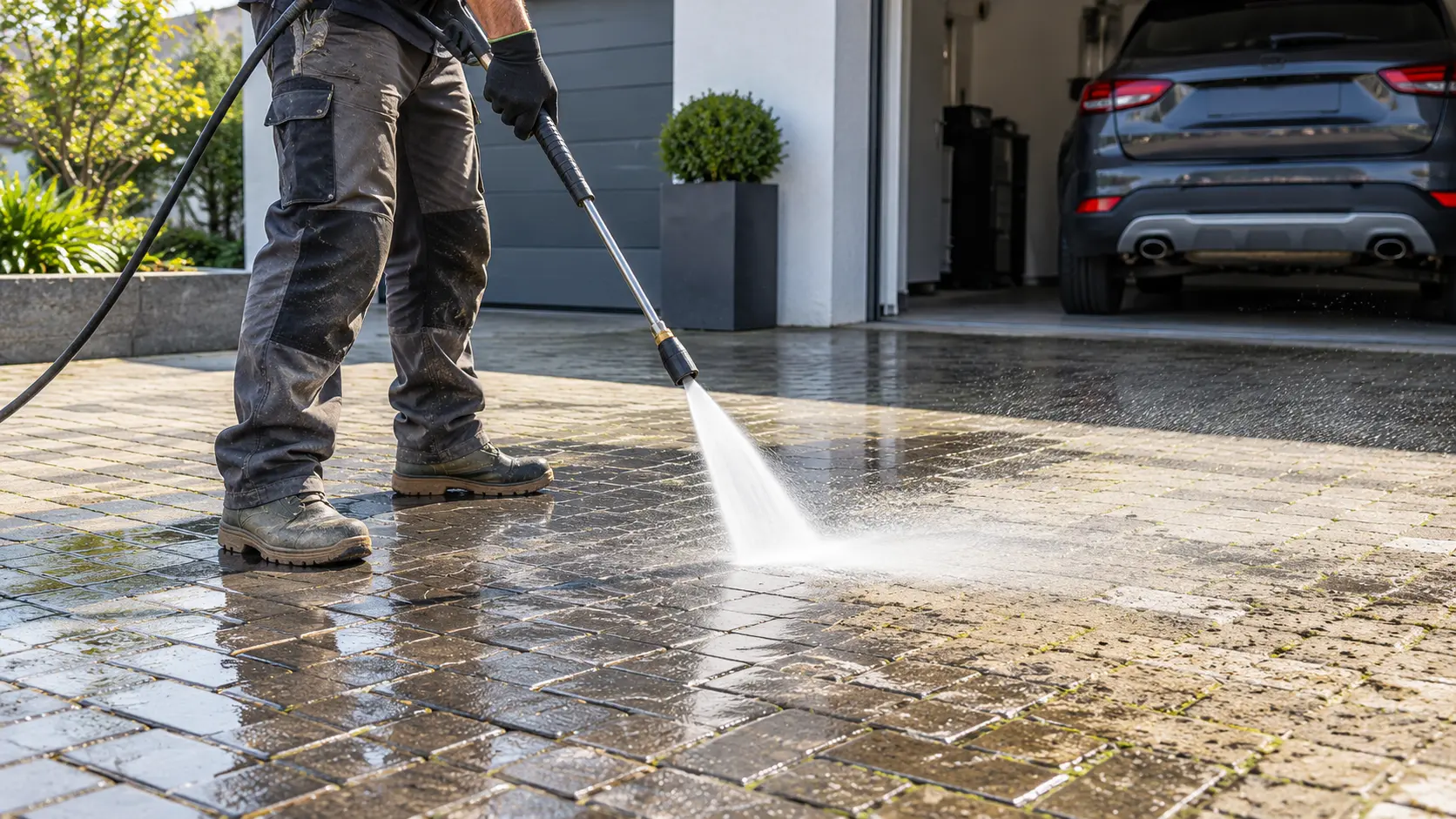
Edges and corners can receive additional attention where required. The type of driveway influences the cleaning process. Concrete, block paving and natural stone can all require different settings. Block paving may lose jointing sand during cleaning, so re-sanding can be necessary once the area has dried. Existing cracks or loose blocks should be identified before work starts.
Oil staining may also need specialist treatment. Cleaning cannot repair structural damage, but it can expose the true condition of the driveway and make maintenance needs easier to identify.
After pressure washing, some driveways may be suitable for sealing. This should only be completed after the surface has dried and any required preparation has been finished. A professionally cleaned driveway can create a much fresher entrance to the property while extending the usefulness of existing paving.
Restoring Patios and Paving
Patios and paved garden areas can collect algae, moss, soil and general dirt throughout the year. Professional pressure washing can remove this build-up and reveal more of the original paving colour. Different materials need different cleaning techniques.
Concrete slabs may tolerate stronger pressure than softer natural stone or weathered paving. Joints also require care because aggressive cleaning can remove loose mortar or sand. Professional cleaners can assess the area before starting. Damaged slabs or unstable sections should be identified so the cleaning process does not make existing problems worse.
Furniture, pots and other objects may need moving to allow consistent cleaning. Once the area is washed, jointing materials can be replaced where necessary. Some patios may also benefit from sealing after they have fully dried. Pressure washing does not make old paving new again, but it can remove substantial contamination and greatly improve the overall appearance of a tired outdoor area.
Cleaning Paths and Walkways
Paths and walkways are frequently exposed to dirt, fallen leaves, footwear and changing weather conditions. Shaded routes can also develop substantial moss and algae growth. Professional pressure washing can clean these areas efficiently while maintaining a consistent appearance along the whole route.
The surface should be inspected first for loose paving, damaged joints and uneven sections. These defects may require repair separately. The operator can then select a pressure level suited to the material. Particular care may be needed around steps and edges where concentrated water could damage mortar.
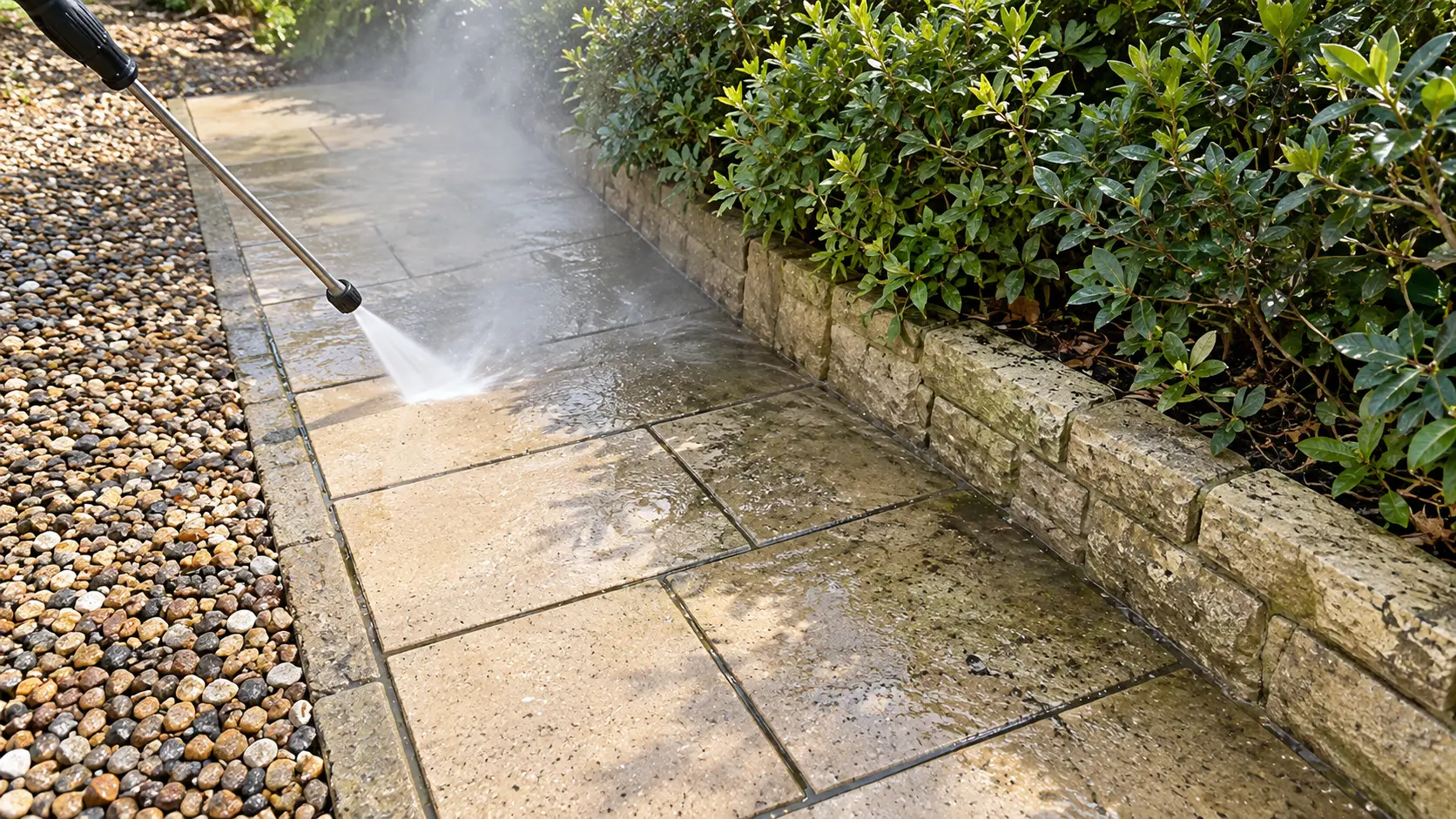
Professional cleaners can also manage runoff so dirt is not simply pushed onto neighbouring lawns, walls or entrances. For commercial properties, paths may need to be cleaned in stages so pedestrians still have practical access.
Warning signs or temporary restrictions may also be needed while surfaces remain wet. Residential paths can usually be cleaned with less disruption, although plants and nearby exterior features should still be protected. Removing algae and moss can improve appearance and may reduce slippery surface contamination.
However, drainage or persistent shade should also be addressed where repeated growth occurs. Routine maintenance between deeper cleans can help paths remain presentable for longer. Professional pressure washing provides an efficient way to clean longer walkways without relying on extensive manual scrubbing.
Pressure Washing Brickwork Safely
Brickwork can sometimes be pressure washed, but it requires careful control because excessive force may damage the brick face or erode mortar joints. Older walls can be particularly vulnerable. A professional cleaner should inspect the condition of the brick and pointing before work begins. Lower pressure and a wider spray may be more appropriate than the settings used on driveways.
The nozzle should also remain at a sensible distance from the wall. Damaged pointing or cracks can allow water to enter areas where it is not wanted. These sections may need repair before cleaning. Some staining may also respond better to alternative methods. Soft washing, for example, can be more suitable where high pressure would create unnecessary risk.
Professional pressure washing is therefore about selecting the safest effective approach rather than simply using a powerful machine. Careful technique can remove surface dirt from suitable brickwork while reducing the likelihood of visible or structural damage.
Cleaning Concrete Surfaces
Concrete is a relatively durable material and is commonly cleaned using pressure washing. Driveways, paths, yards and other concrete areas can collect substantial dirt, algae and traffic residue over time. Professional equipment can remove this contamination efficiently across large areas.
The surface should still be inspected before cleaning begins. Older concrete may contain cracks, loose sections or damaged edges that require more careful treatment. Pressure can be adjusted around these areas. Professional cleaners may also use surface-cleaning attachments to create a more even result. This can reduce visible striping across broad concrete sections.
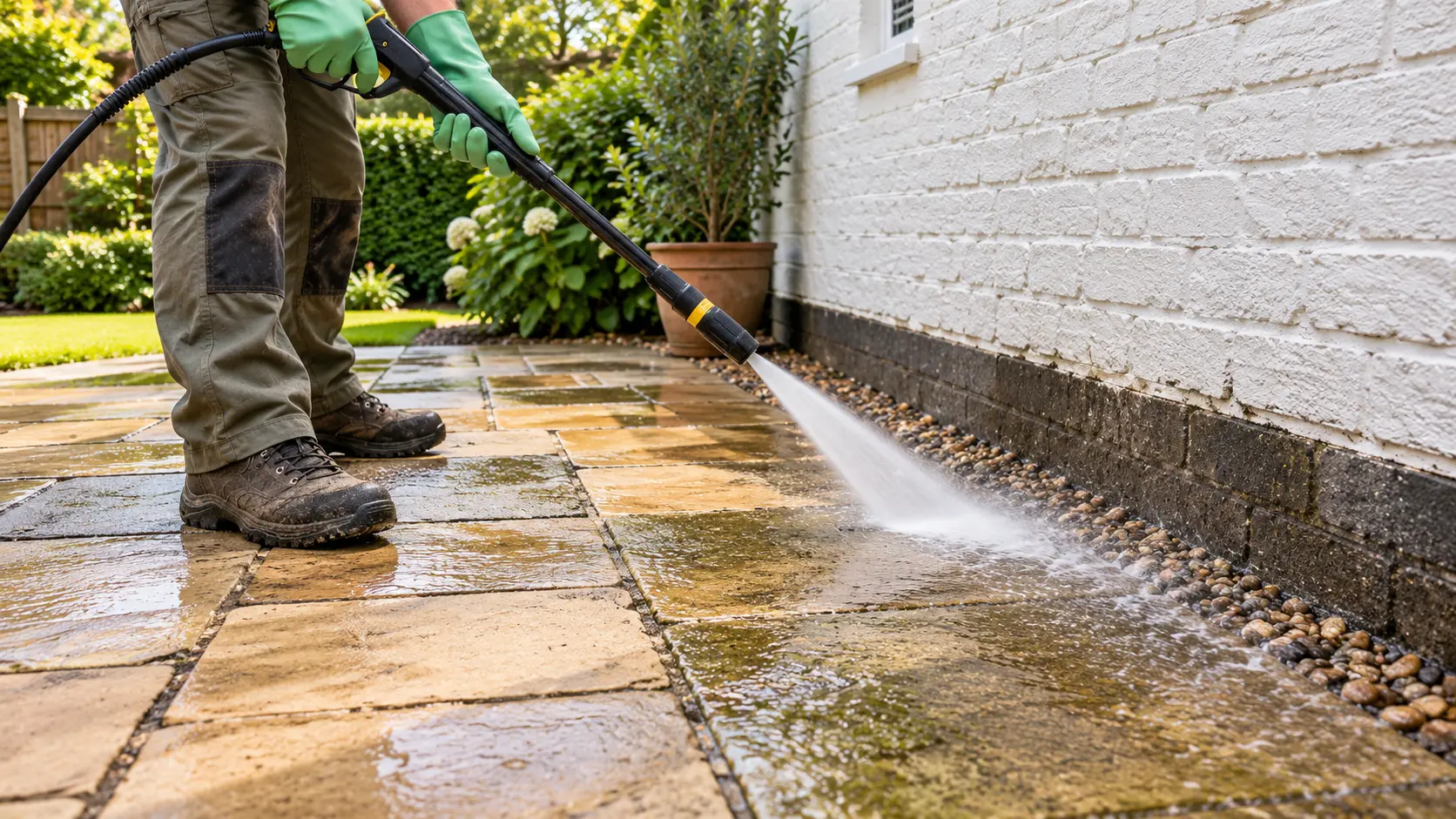
Oil marks and deeply penetrated stains may require suitable detergents or additional treatment. Simply increasing pressure is not always enough. Drainage also needs consideration, particularly across commercial yards where large volumes of dirty water may be produced.
Nearby walls, doors and vehicles should be protected from spray. Once cleaned, the concrete should be allowed to dry naturally. Some surfaces may then be suitable for a compatible sealant if additional protection is desired.
Pressure washing cannot repair cracks or deterioration, but it can remove extensive surface grime and make maintenance issues more visible. Using professional equipment and technique helps restore a cleaner appearance while avoiding unnecessary damage to the concrete surface.
Pressure Washing Decking and Fencing
Timber decking and fencing require careful pressure washing because wood is generally softer than concrete or paving. Excessive pressure can raise the grain, create grooves or cause splintering. Professional cleaners can reduce the pressure and adjust their working distance accordingly.
Older timber may need even gentler treatment. Cleaning can remove algae, dirt and weathered residue before staining, painting or oiling. The wood should be allowed to dry thoroughly afterwards. Damaged boards or rotten sections should be repaired separately.
Pressure washing is not always the most appropriate method for every timber surface. Manual cleaning or lower-pressure washing may sometimes provide a safer result. Professional assessment helps determine which approach is suitable. Where pressure washing can be used, controlled equipment and experience allow decking and fencing to be cleaned without relying on the aggressive settings normally reserved for harder exterior materials.
Reaching Difficult Exterior Areas
Some exterior areas are more difficult to clean because they are narrow, positioned behind obstacles or spread across larger properties. Professional pressure washing equipment can make these locations easier to reach.
Longer hoses and specialist attachments allow the main machine to remain in a convenient position while cleaning continues farther away. This can be useful around side passages, courtyards and large commercial sites.
Access still needs to remain safe. Pressure washing should not be carried out from unstable ladders or improvised platforms. Elevated exterior surfaces may require suitable access equipment or a different cleaning method. Confined locations can also increase spray and make drainage more difficult.
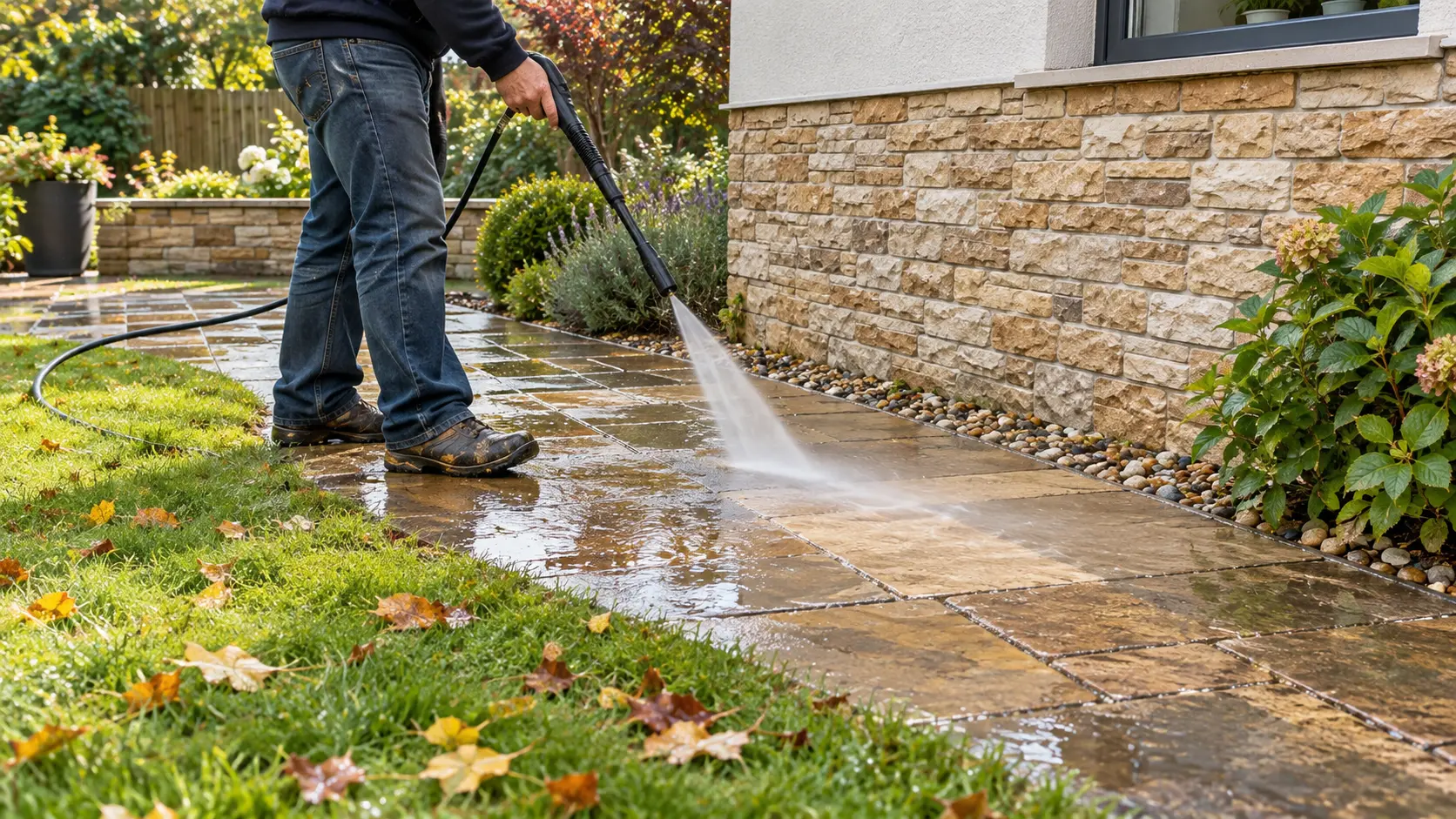
A professional cleaner can plan the route before starting work. Vehicles, garden furniture and other obstructions may need moving. Sensitive areas can be covered or avoided. Hard-to-reach sections often accumulate more dirt because they receive less routine maintenance.
Corners behind bins, walls or garden structures can contain algae and debris that ordinary cleaning misses. Professional equipment allows these areas to be approached more systematically.
However, the operator should still have enough visibility to control the nozzle and inspect the surface. Where access prevents safe cleaning, another method may be recommended. Good planning allows professional pressure washing to reach a wider range of exterior areas without sacrificing control.
Using Professional Pressure Washing Equipment
Professional pressure washing equipment can provide higher water flow, greater consistency and more adjustment than many basic domestic machines. This allows larger surfaces to be cleaned more efficiently. Different nozzles and attachments can also be selected according to the work. Surface cleaners are useful for creating an even finish across broad patios, driveways and concrete areas. Lances and other attachments can help around edges and narrower spaces.
The main benefit of professional equipment is not simply greater power. Experienced operators can control that power carefully. Pressure can be lowered when cleaning brickwork, timber or damaged surfaces.
Well-maintained equipment also provides more predictable performance. Professional cleaners should combine the machinery with suitable preparation and technique. Using powerful equipment incorrectly can still cause damage. When handled properly, commercial-grade machines can achieve more consistent results across extensive exterior areas while reducing the time needed to complete the cleaning.
Choosing Suitable Cleaning Products
Pressure washing is often associated only with water, but suitable cleaning products can improve results where dirt, algae, oil or other contamination is difficult to remove. Professional cleaners can choose treatments according to the material and type of staining. Pre-treatment can loosen contamination before pressure washing begins. This may reduce the amount of mechanical force required during the main clean.
Different products are designed for different purposes. A treatment intended for organic growth may not be appropriate for oil staining. Surface compatibility also matters. Natural stone, brickwork, concrete and timber can respond differently to chemicals. The manufacturer instructions should therefore be followed carefully. Nearby planting, lawns and drainage systems may also need protection.
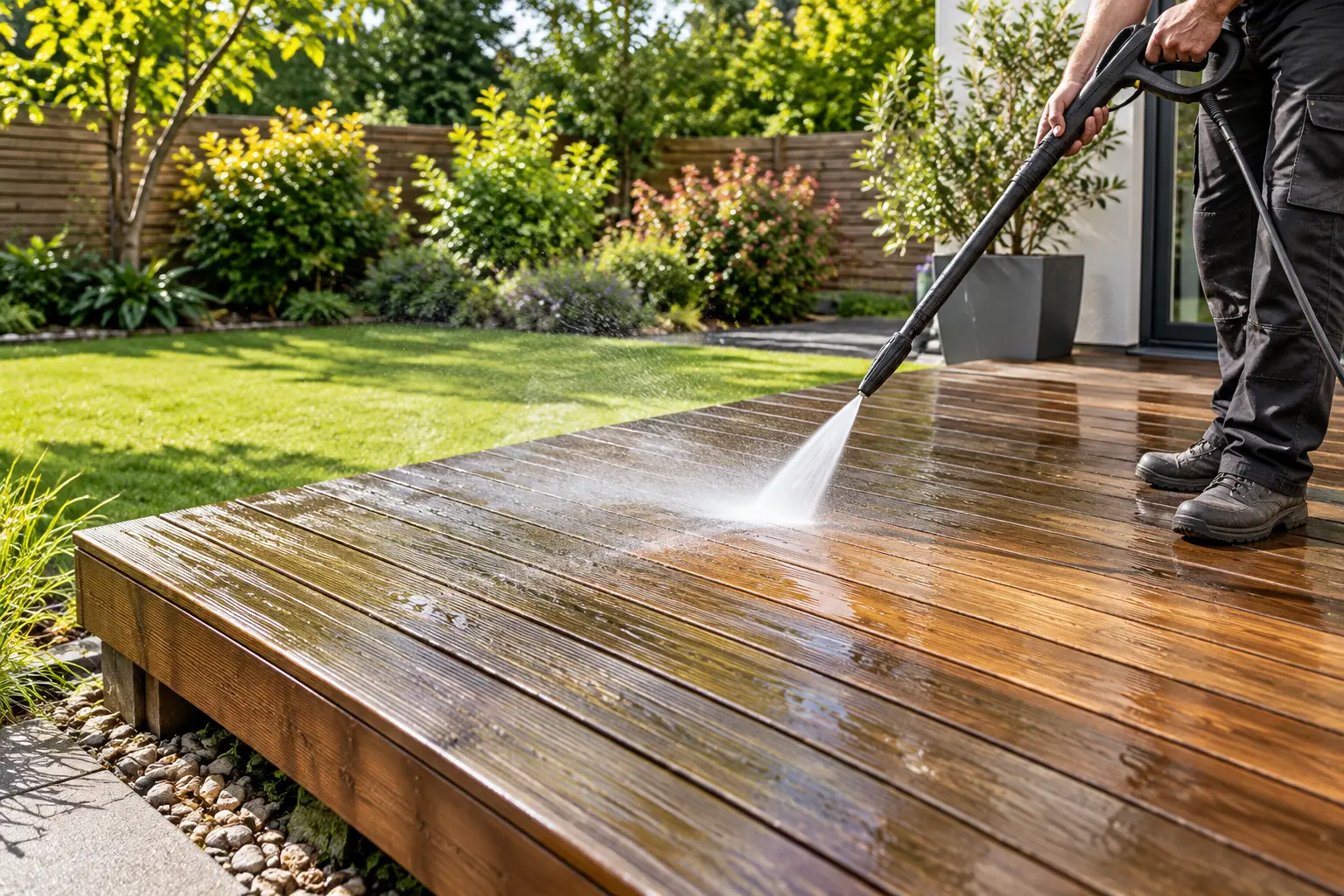
Professional cleaners can control application and rinsing to limit unnecessary spread. Using too much chemical does not necessarily improve cleaning performance.
Products should be applied at appropriate concentrations and given the correct contact time. They should not be allowed to dry where this could cause marking or residue.
Pressure washing can then remove loosened contamination more effectively. In some cases, cleaning products may not be required at all.
A professional assessment helps determine when water pressure alone is sufficient. Choosing appropriate products can improve results while reducing the need for repeatedly applying excessive pressure to stubborn areas.
Reducing the Risk of Surface Damage
Professional pressure washing can reduce the risk of surface damage because the operator can adjust equipment and technique according to the material. Different surfaces should not receive identical treatment. Natural stone, timber and older brickwork can be more vulnerable than modern concrete. Existing defects also need attention.
Cracks, loose pointing and damaged paving can become worse if a high-pressure jet is directed at them. Professional cleaners can identify these areas before work begins. Nozzle selection, working distance and cleaning angle can all be changed. Stubborn dirt may also be treated chemically rather than attacked with greater pressure.
Testing an inconspicuous area can help where the surface condition is uncertain. Experienced operators understand that successful cleaning means removing contamination without removing or damaging the material underneath. Controlled technique can therefore provide better results while reducing avoidable wear, erosion and visible marks across exterior surfaces.
Avoiding Damage to Paving Joints
Paving joints can be vulnerable during pressure washing, particularly where sand or mortar has already become loose. Directing a concentrated jet into the joints can remove material and destabilise the finished surface. Professional operators can adjust their cleaning angle and pressure around these areas. Block paving requires particular attention because jointing sand can be displaced during cleaning. Some sand loss may still occur and can require replacement after the paving has dried. Mortared patios can also contain deteriorated joints that should be identified before work begins. Pressure washing cannot repair failing mortar. Damaged joints may need repointing as a separate maintenance task.
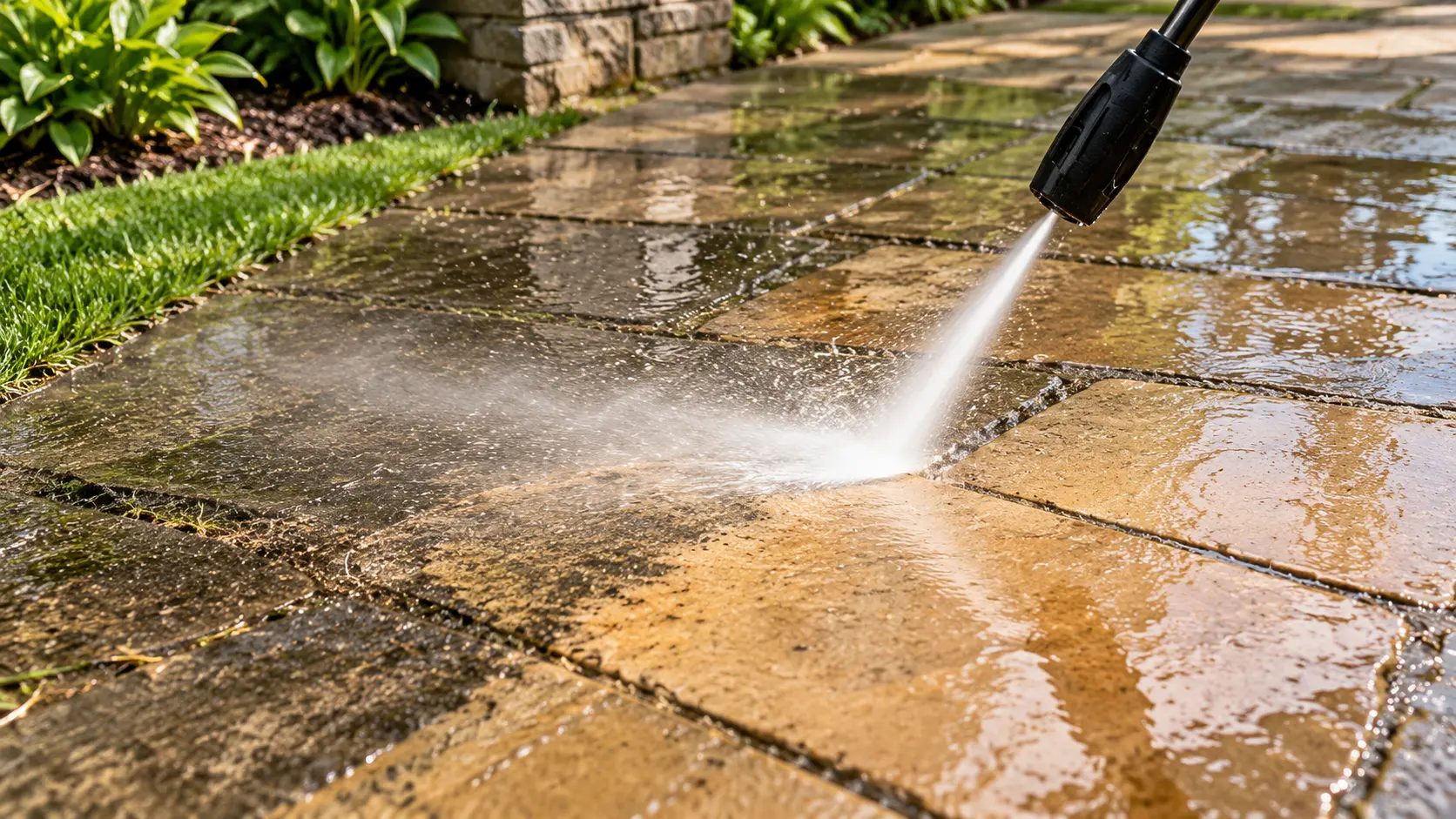
Professional cleaners can avoid repeatedly holding the jet in one place. A controlled sweeping motion helps reduce excessive erosion. Surface-cleaning attachments can also provide more even cleaning across some paving types.
The condition of the joints should be checked again after cleaning. Loose debris should be removed and any necessary repairs planned. If sealing is intended, jointing work usually needs to be completed first. DIY users sometimes focus entirely on removing visible dirt and overlook the effect on the spaces between slabs or blocks.
Professional technique considers the whole paved system. By controlling water pressure and avoiding unnecessary concentration around joints, the surface can be cleaned thoroughly without causing avoidable damage to the materials holding the paving together.
Preventing Uneven Cleaning Marks
Uneven cleaning marks can appear when pressure washing is carried out with inconsistent nozzle distance, speed or movement. These marks often show as stripes or noticeably cleaner patches. Professional cleaners use systematic techniques to maintain a more even finish. The nozzle should move at a consistent rate across the surface.
Holding it in one position for too long can create a lighter spot or visible line. Working distance also needs to remain reasonably consistent. Surface-cleaning attachments can help across large flat areas such as driveways and patios. They distribute cleaning action more evenly than repeatedly using a narrow jet. Different levels of contamination may still require additional passes.
Professional operators can blend these areas rather than concentrating excessively on one small section. Good lighting and regular visual checks also help identify uneven areas before the job is complete. Consistent technique is one reason experienced pressure washing can provide a more uniform appearance than rushed DIY cleaning.
Cleaning Larger Areas More Efficiently
Professional pressure washing is particularly useful when large driveways, patios, car parks or commercial yards need cleaning. Basic domestic equipment can make these projects slow and physically demanding.
Commercial-grade machines are designed to handle larger areas more efficiently. Greater water flow and suitable attachments can increase cleaning coverage without relying entirely on excessive pressure. Surface cleaners are particularly helpful across broad, flat areas. They can produce a more consistent finish while reducing the visible striping sometimes created by a standard lance.
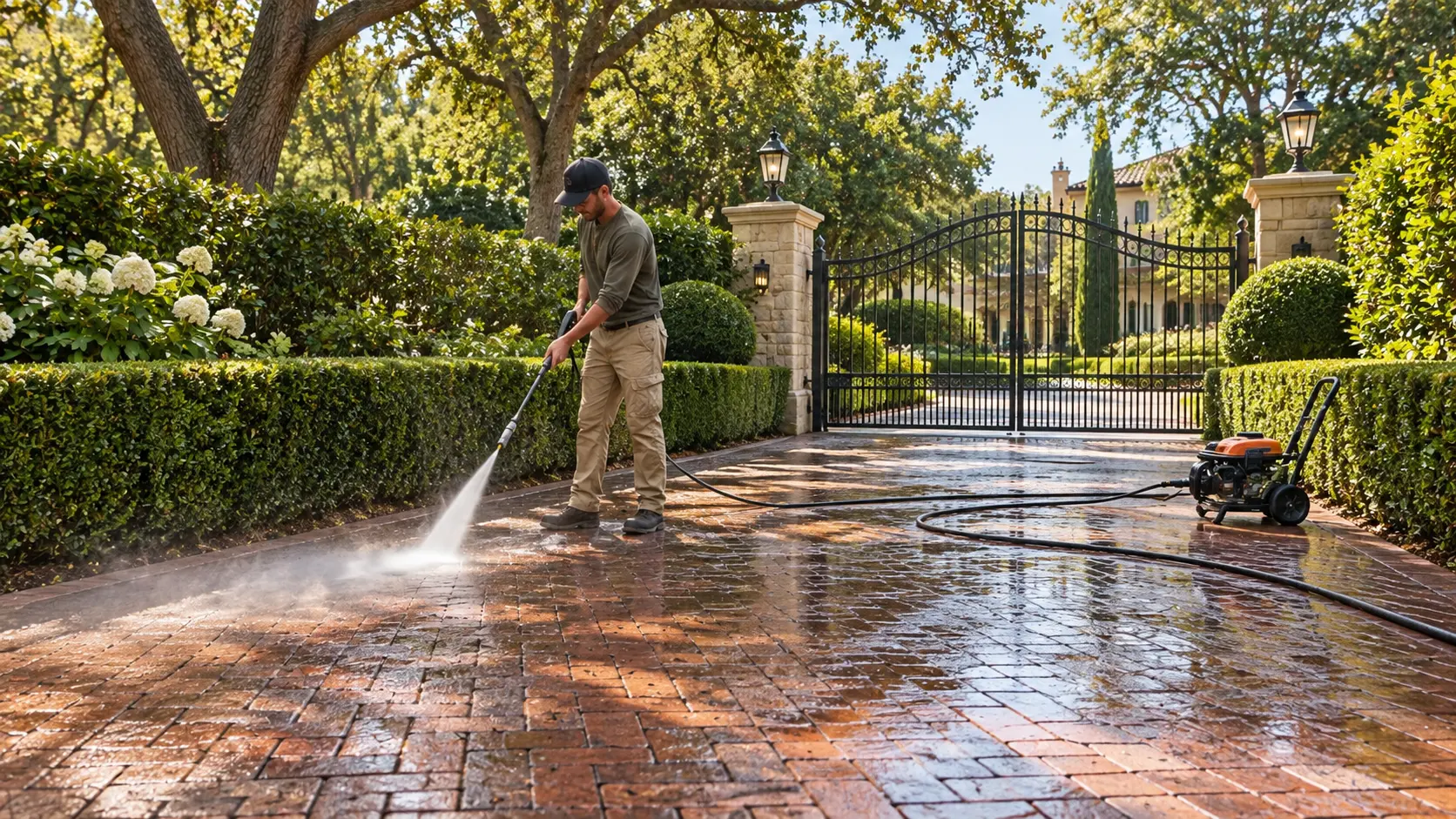
Professional operators also plan the work in sections. This helps ensure each area receives similar treatment. Access routes, runoff and equipment placement can be considered before cleaning begins. Commercial sites may need work completed around opening hours or deliveries.
The cleaner can divide the property into manageable zones so essential areas remain accessible. Large residential driveways can benefit from the same organised approach. Preparation also saves time. Moving vehicles, furniture and loose objects before starting allows the cleaning to continue without repeated interruptions.
Professional equipment does not eliminate the need for care. Different surfaces within a large site may still require separate pressure settings. Experienced operators can make these adjustments while maintaining progress. Combining suitable machinery, preparation and consistent technique allows larger exterior areas to be cleaned more efficiently without unnecessarily sacrificing quality.
Our pressure washing team cleans driveways, patios, walls, roofs and more for homes and businesses. We also handle car parks, garages, building exteriors, render and graffiti. Every job is planned around your property, using safe methods and suitable equipment to remove dirt, moss and stains while protecting surfaces.
Related Articles
Why Choose Pressure Washing for Exterior Cleaning